
We all know how easy it is to cut corners in business; we’ve all done it somewhere. But we also know we shouldn’t. You’ll eventually have to face the consequences, whether they’re small or large. The same applies to IT. When you cut corners, the consequences to your business can be major. Here are three places where you never want to cut costs.
continue reading

If you own a small business, your business is a target for hackers. According to a report by 4iQ, a cyber security analyst firm, from 2017 to 2019, there was a 424% increase in the number of attacks on small businesses.
At the same time, a survey by The Manifest, a business analyst firm, found that 64% of small businesses intended to put more time and money into their IT security in 2020. Many business owners also noted an increase in attacks against their businesses and websites and were ready to do more to protect themselves.
Cybercriminals love to go after small businesses. Since small businesses make up 99.7% of all employers in the United States, you can see why it makes sense. Hackers know that attacking small businesses can be worth the time and effort because they know they will eventually find a small business they can extort or steal from.
continue reading

Out with the old and in with the new! For far too long, small businesses have taken an old-school approach to IT services and security. In other words, they wait until something goes wrong before they call an IT services company and request help.
Back in the day (think 1990s and 2000s), this approach worked, more or less. External threats, such as hackers and viruses, were still few and far between. A data breach wasn’t on anyone’s mind. So, it made sense to wait until something went wrong before taking action.
In IT circles, this is known as the “break-fix” approach. Something breaks, so someone has to come in to fix it. And they charge for their services accordingly. If something small breaks and it takes a short time to fix, you could expect a smaller bill. If something big breaks, well, you can expect a pretty hefty bill.
continue reading

A lot of businesses need to come to terms with the fact that their employees are their greatest IT threat. As a business owner, you may be aware of cyberthreats to your business, but your employees might not be. They might not know about the threat of cyber-attacks or malware. They might use unsecured WiFi on company equipment. As a result, your employees may be putting your business at serious risk.
What can you do to change that?
continue reading

How do you handle network issues? If you’re like most small businesses, you wait until something breaks or goes wrong before getting an IT services company on the phone. At a glance, it makes sense. Why pay to fix something if it isn’t broken?
Sadly, this way of thinking can do more harm than good, and it has taken many businesses out of commission.
When you get right down to it, there are two primary ways to handle network security:
- By being reactive
- By being proactive
One of these costs significantly more than the other and can destroy a business. You can probably guess which one we’re talking about.
continue reading
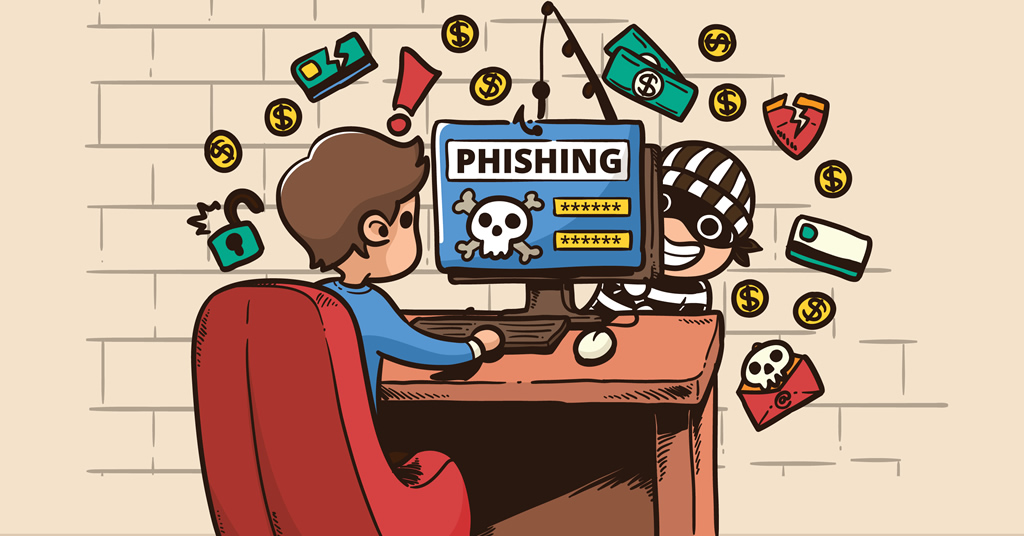
Many cybercriminals look at small businesses like blank checks. More often than not, small businesses just don’t put money into their cyber security, and hackers and cybercriminals love those odds. They can target small businesses at random, and they are all but guaranteed to find a business that has no IT security – or the business does have some security but it isn’t set up correctly.
At the same time, cybercriminals send e-mails to businesses (and all the employees) with links to phishing websites (websites designed to look like familiar and legitimate websites) or links to malware. They hope employees will click on the links and give the criminals the information they want. All it takes is ONE employee to make the click.
continue reading